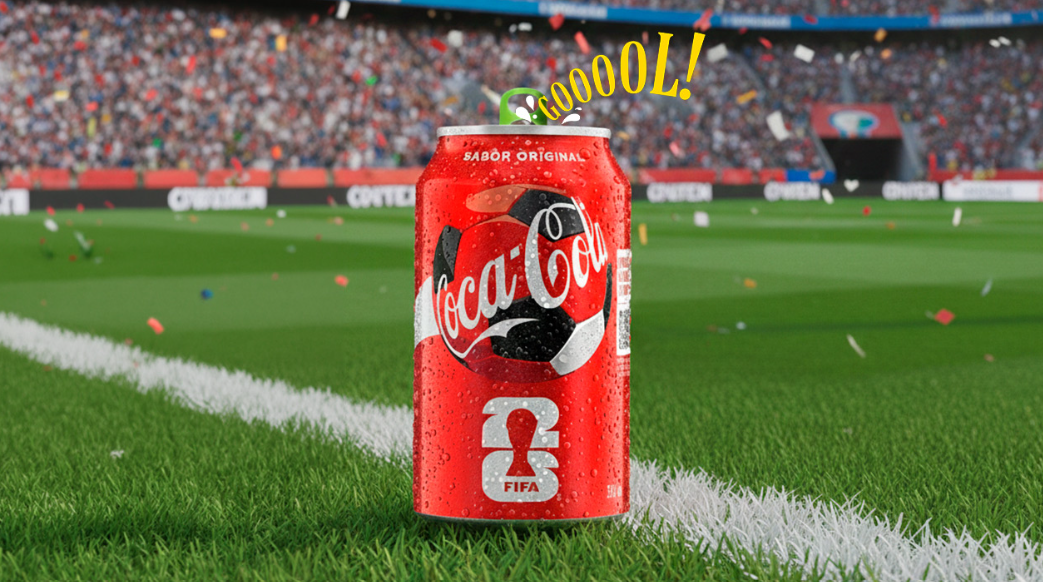
Typography is a very important step when considering the design of our brand or logo. At first glance, it may seem difficult to understand, but knowing some basic aspects about what one type of font or another can convey to us when we see it can help.
A friendly or interesting font can trigger psychological reactions that help make the brand more trustworthy and even inspiring for other brands or products. By choosing to change the font style and selecting the right one, we can make people who read it feel one way or another about the brand.
Designers use different font types that can have a positive impact on brand identity, always striving to convey a certain message. For example, banks that want to communicate a sense of stability and belonging to their customers might choose a traditional serif font.
For example, a technology company could choose a futuristic Sans Serif font, which helps encourage its customers to perceive it as an innovative and forward-thinking company. When choosing a font, it is not only important to consider the type of font, but also the size.
Typography sets the tone and mood conveyed by our content.
What typography generates
This sets the tone and mood we want our content to convey. For example, if it is too crowded and difficult to read, this experience causes immediate rejection. Adding a little white space and separating titles from paragraphs helps to avoid this.
This method can make for a more enjoyable experience. Visual hierarchy is crucial to achieving this. Typography affects our minds for better or worse, influencing decisions and emotional signals. Fonts are crucial for telling stories and conveying ideas.
Consumers make many decisions based on what they see on the street, in newspapers, or in magazines.
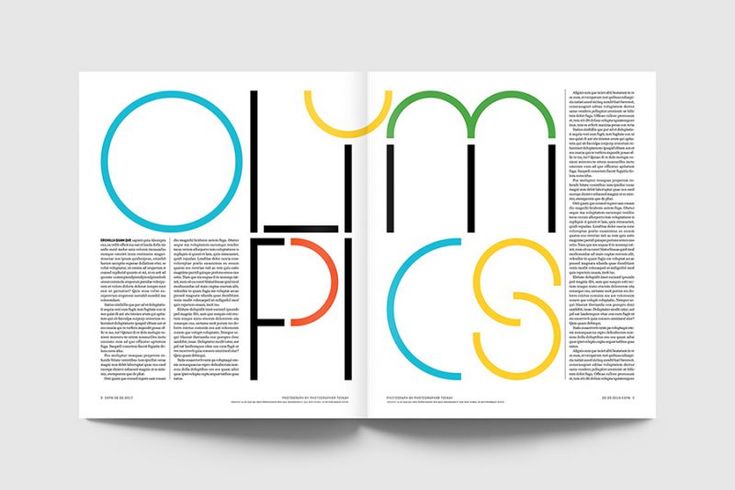
Typography
https://www.puromarketing.com/