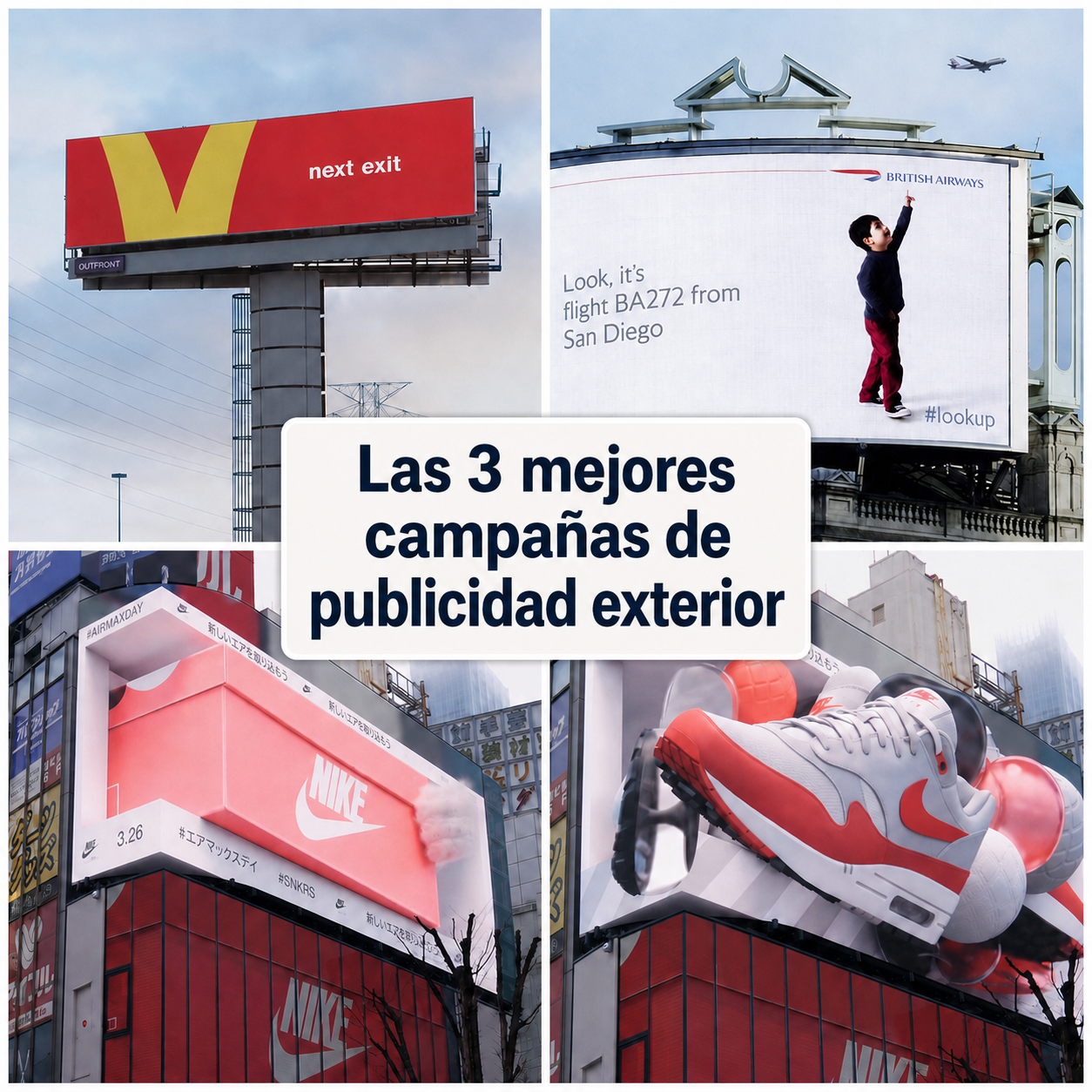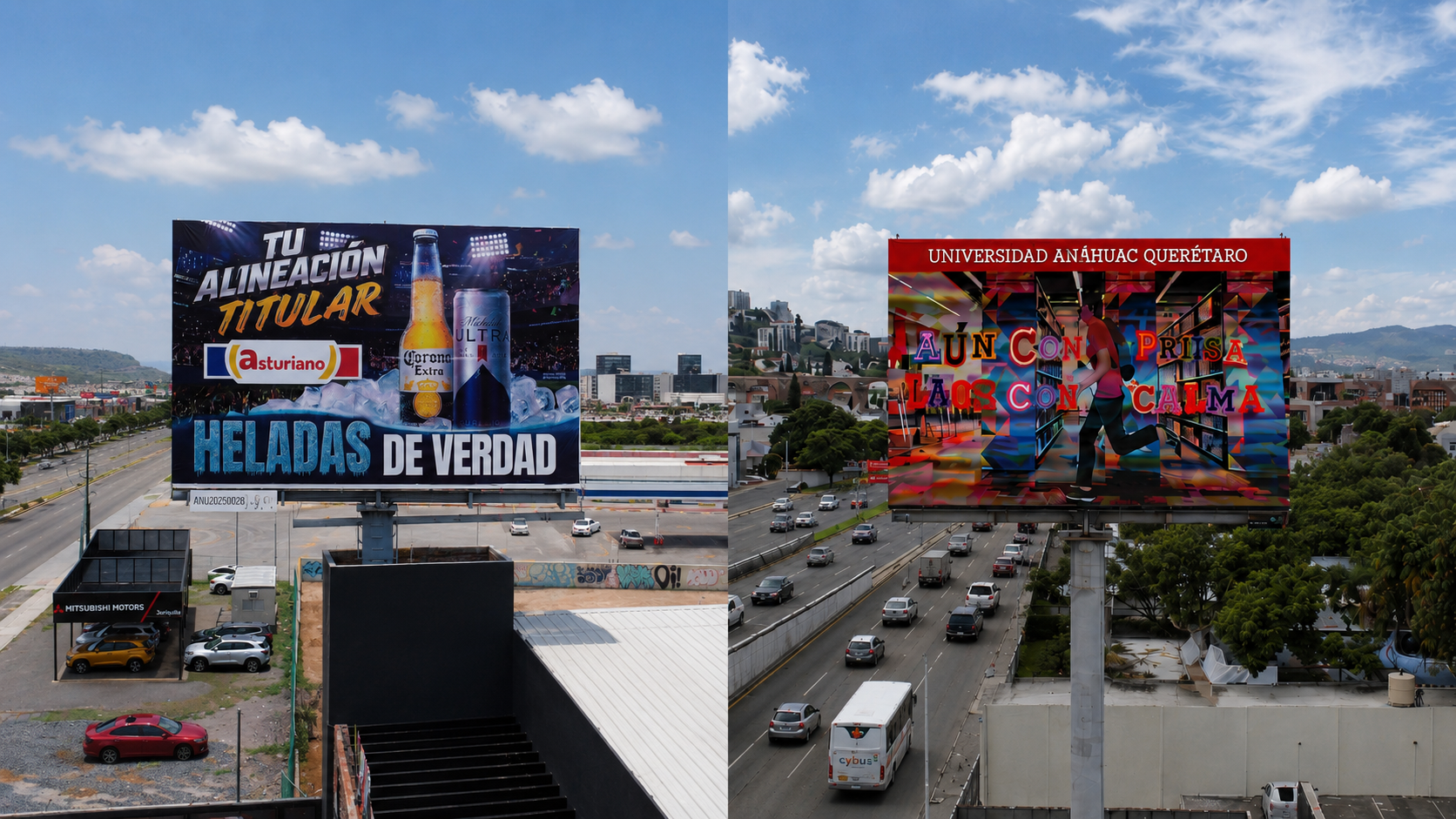
⚖️OOH vs DOOH, the preference for static or traditional advertising has made a strong comeback in outdoor media, with brands opting this year to reinforce their branding with a permanent presence on public roads.
For example, they mention that Peru continues to fail to take advantage of the benefits of. Starting with the basics, thefor a video of airports that is now 10 years old was one of the first to use contextual elements, such as the time that flight was scheduled to depart, and gave the illusion of being interactive.
⌛Ten years later, few brands are still taking advantage of the contextual relevance offered by outdoor media, such as, with 100 times more technology to do these things.
This allowsto not only target based on location or sociodemographic characteristics, but also to vary their messages depending on the time of day, the weather, or a sports result.
📈This type ofis used to boost contextual relevance, improving the effectiveness of the campaign.
🔥🔥It's not about using only static or digital OOH; it's the same as thinking that I should only doand forget about.
Make use of new technologies
In this example, the use of #Hashtags is clear, generating greater traffic, since with a single hashtag this information or content can reach everyone. Currently, it is the most feasible way to convey a specific topic or information anywhere in the world.
The more dynamic the medium through which the advertising is displayed, the better it is for reaching the target audience.
That is the great advantage of digital strategy, since you don't need to be directly in a location to see it and make use of it, unlike static advertising, which we know how it works for obvious reasons.
The industry has evolved constantly, reflecting not only technological advances but also social and cultural changes, from its beginnings when all advertising activity was rudimentary, as everything was done by hand and lacked the desired impact we see today.
Digital technology has led to an unprecedented revolution in advertising. Today, there is no longer the same concern for print media, thanks to the arrival of many media outlets that have made it possible to reach more segmented audiences.
Digital sets the standard and is also very helpful, since it can be used in conjunction with traditional advertising formats.
Outdoor advertising is a clear example of this. Static billboards, which used to be the norm in advertising, have been replaced by color screens with movement and better audiovisual production.
Motion ads offer a more immersive and memorable experience for viewers, wiping static ads off the map. A clear example of this is Times Square, where cutting-edge advertising is displayed on giant LED screens, offering a futuristic vision of what advertising will be like in the future.
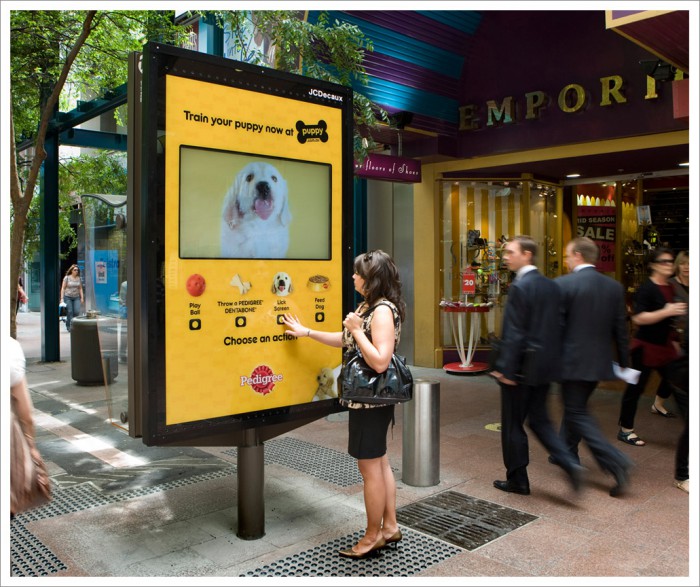
Advertising on Mupis
Futuristic advertising is already here
Innovation in advertising was something that was only considered as something that would not happen so quickly, but innovations in video advertising in public spaces, interactive advertising that invites viewer participation, and the personalization of preferences are clear examples that the transformation of advertising is underway.
These new advertising campaigns are not only changing the way companies communicate with their customers, they are also redefining the standards of impact and connection with the viewer.