The hamburger chain Carls JR Mexico excited its followers by announcing the return of its iconic promotion of hamburgers for $1 peso. This tradition has become a classic part of International Hamburger Day, celebrated every May 28.
Through its social media accounts, the restaurant chain announced that this offer will be part of its program. This promotion began eight years ago and will now once again delight hamburger lovers. Although the specific details of the promotion have not yet been revealed, it is expected to follow the pattern of previous years, offering a classic hamburger at a symbolic price with the purchase of a combo meal.
It is an extremely successful marketing promotion.
This initiative by Carl's Jr. has not only been a sales success, but has also become an event eagerly awaited by consumers, generating long lines and great excitement on social media.
The promotion is an example of how brands can take advantage of special dates to connect with their audience and generate a positive impact on their image.
Full details of the promotion will be announced in the coming days through Carl’s Jr. Mexico’s official channels. In the meantime, burger fans can start getting ready to enjoy this delicious tradition.
International Hamburger Day is celebrated every May 28, a day dedicated to one of the most iconic and popular dishes in the world. But what is the origin of this celebration and of the hamburger itself?
How did hamburgers come about?
The history of the hamburger is somewhat unclear, with several cities and chefs claiming to have invented it. However, the most widely accepted theory suggests that it originated in Hamburg, Germany, in the 19th century. At that time, sailors used to eat minced meat patties between two slices of bread, a practical food that quickly became popular.
The recipe crossed the Atlantic with German immigrants, arriving in the United States in the late 19th century. It was there that the hamburger evolved, with new ingredients being added, becoming a staple of American fast food.
The popularity of the hamburger skyrocketed in the 20th century, thanks to the emergence of fast food chains such as McDonald's and Burger King. Today, the hamburger is a universal dish, with countless variations and adaptations around the world.
International Hamburger Day is an opportunity to celebrate the rich history and diversity of this dish. It is a day to enjoy our favorite version of the hamburger, whether classic, gourmet, or vegetarian.
https://anunciart.com/pandora-al-50-en-toda-su-tienda-en-linea-por-el-hot-sale/
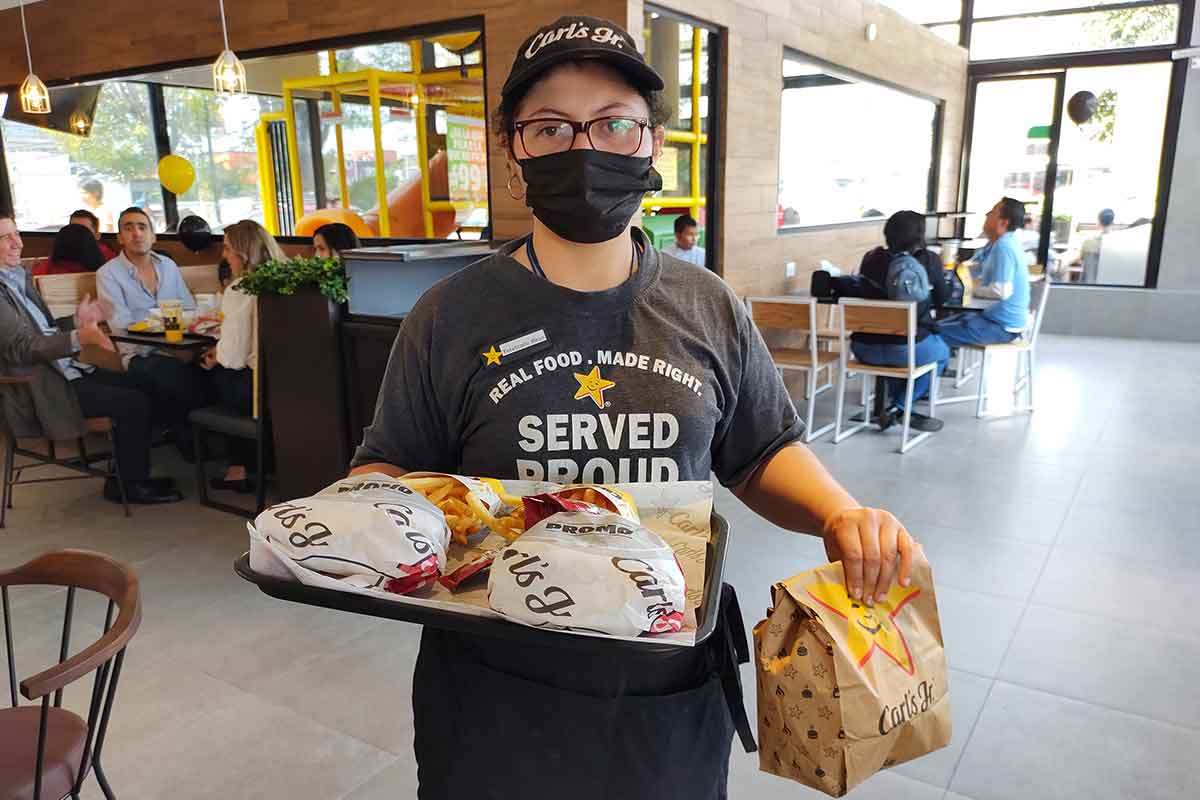
Carls Jr. Burgers
But why is Hamburger Day celebrated?
This popular dish originated in Hamburg, Germany, according to National Geographic; the modern hamburger comes from a typical German pork sandwich called Rundstück warm, a dish that began to be served in bars in the 17th century when bakeries started making round bread rolls.
Legend has it that this day became commemorative because of a German immigrant living in the United States who offered the first hamburger to a customer who asked for something quick and tasty. All this took place on May 28, 1900, which is why this day was established.
For Hamburger Day, in Guadalajara you can enjoy promotions at establishments such as Carl's Jr. and competitions that have special offers prepared.
How was it born?
When we talk about Carl's Jr., we have to go back to the beginning. Carl Karcher worked in the food industry, specifically fast food, with hot dog stands in Los Angeles. In 1945, he was presented with the opportunity to buy a restaurant in California called Carl's Drive-In Barbecue. Over the years, after hard work, constant effort, and perseverance, he managed to buy his first two locations and named them Carl's Jr.
He named them this way because he considered them the children of his first restaurant, which opened in 1956. It stands out from the rest thanks to its logo, which remains relevant even as the years go by, and also for its quick menu of hamburgers (the original Big Angus hamburger costs more than $140), French fries, soft drinks, and milkshakes.
Over the years, by the 1980s, Carl's Jr. had expanded rapidly, with franchises in several states across the United States. In Mexico, it began in 1992 in Monterrey and Tijuana, and today it is one of the countries with the most franchises nationwide, after the United States.
The chain expanded into several countries, some with excellent results and others, such as Malaysia, where expectations were not as positive, and the stores were closed.
However, the chain currently has businesses in Kenya, the Dominican Republic, Honduras, Colombia, Guatemala, Nicaragua, Chile, and Spain.