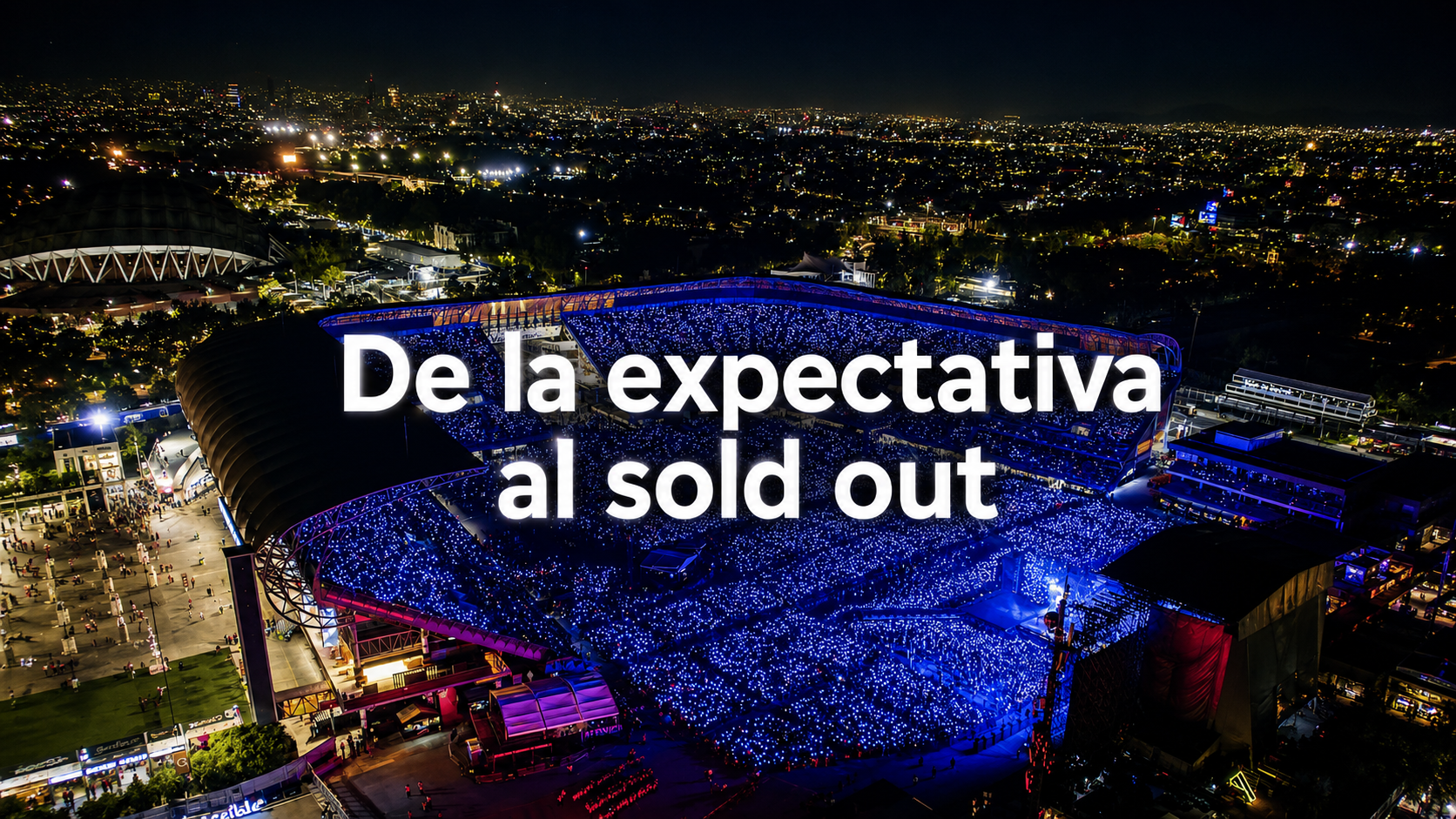
We live in a world saturated with advertisements. From social media to the streets, advertising surrounds us at all hours. However, most people have learned to ignore traditional ads, either by skipping them on YouTube or simply avoiding seeing them. Why do people hate ads (and how can we make them love them)?
Consumers reject advertising that interrupts them, but they enjoy advertising that entertains them, adds value, or feels authentic. Here are five ways to advertise without it looking like advertising.
1. Storytelling: When advertising tells a story
The most successful brands have learned that selling a product is not enough: you have to tell a story. Campaigns such as those by Nike and Coca-Cola have shown that an emotional narrative can make people remember an advertisement without feeling bombarded with sales messages.
Example: A Christmas commercial that shows family togetherness and ultimately reveals that the moment was made possible by a product or service. The brand becomes part of the story without the purchasing message being obvious.
2. Product Placement: The "hidden advertisement" in movies and TV series
Remember James Bond drinking a Heineken or the characters from Stranger Things eating Eggo waffles? That's the power of product placement, a strategy where brands appear in series, movies, or videos without looking like a traditional advertisement.
When a product is part of the plot, viewers assimilate it naturally and without rejection. It is a subtle and effective way to position a brand in the consumer's mind.
3. Immersive experiences: When the brand becomes part of the environment
In physical spaces such as restaurants, hotels, and stores, digital displays are an innovative way to integrate advertising without being invasive. Instead of traditional commercials, these displays can show engaging content such as inspiring videos, eye-catching images, or useful information about products or services.
Example: A restaurant with digital screens displaying recipes, interesting facts about ingredients, or drink pairing recommendations, rather than just promotional advertisements.
4. Influencers and UGC: Advertising that looks like a recommendation from a friend
Nowadays, people trust the opinions of other consumers more than direct advertising. That's why many brands collaborate with influencers or develop User Generated Content (UGC) strategies, where customers themselves create content about their products.
Example: A clothing brand that invites its customers to upload photos of their outfits on social media, creating a sense of community and authenticity rather than a traditional advertisement.
5. Experience marketing: Make people "feel" the brand
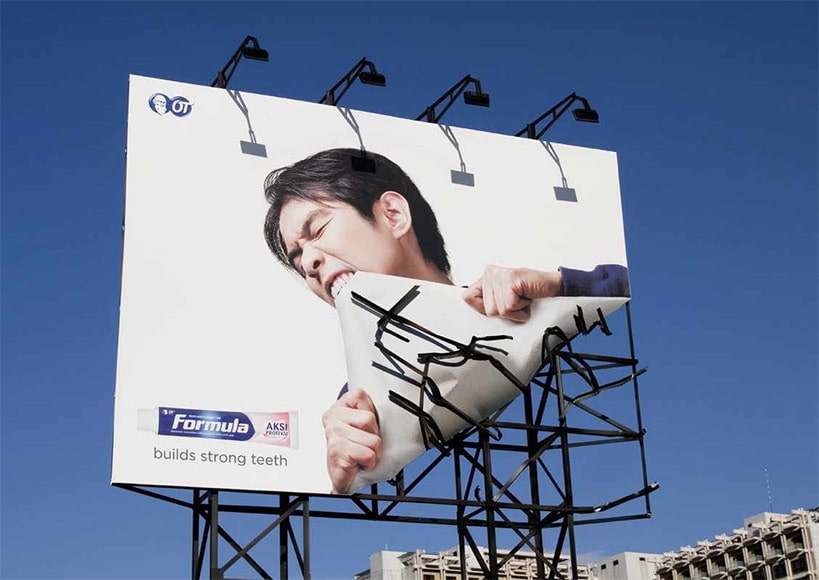 Creative outdoor advertising
Make your brand feel authentic with Anunciart.
At Anunciart, we believe that advertising should be creative, authentic, and engaging. We help you create strategies that capture your audience's attention without being invasive, from digital displays in commercial spaces to innovative brand experiences.
Ready to change the way you communicate your brand? Contact us and find out how we can help you.