The digital age has marked a turning point for all or almost all areas of everyday life, but traditional techniques continue to play an essential role in promoting brands and businesses, such as offline marketing. The best thing about these techniques is that they allow physical interaction with the message and have a direct impact on the local audience.
Offline marketing campaigns are communication actions for a brand, using traditional media but incorporating digital online marketing tools.
Offline marketing campaigns remain relevant because they cover areas that digital campaigns do not.
The impact and recall of advertising on the street or in traditional media are still effective strategies.
Some examples of these are:
Burger King's Guerrilla Marketing Campaign
The fast food chain launched one of the most daringoffline marketingcampaigns in recent times. It published an open letter in the New York Times to its main competitor, McDonald's, inviting it to call a "truce" so that both brands could support a non-profit cause.
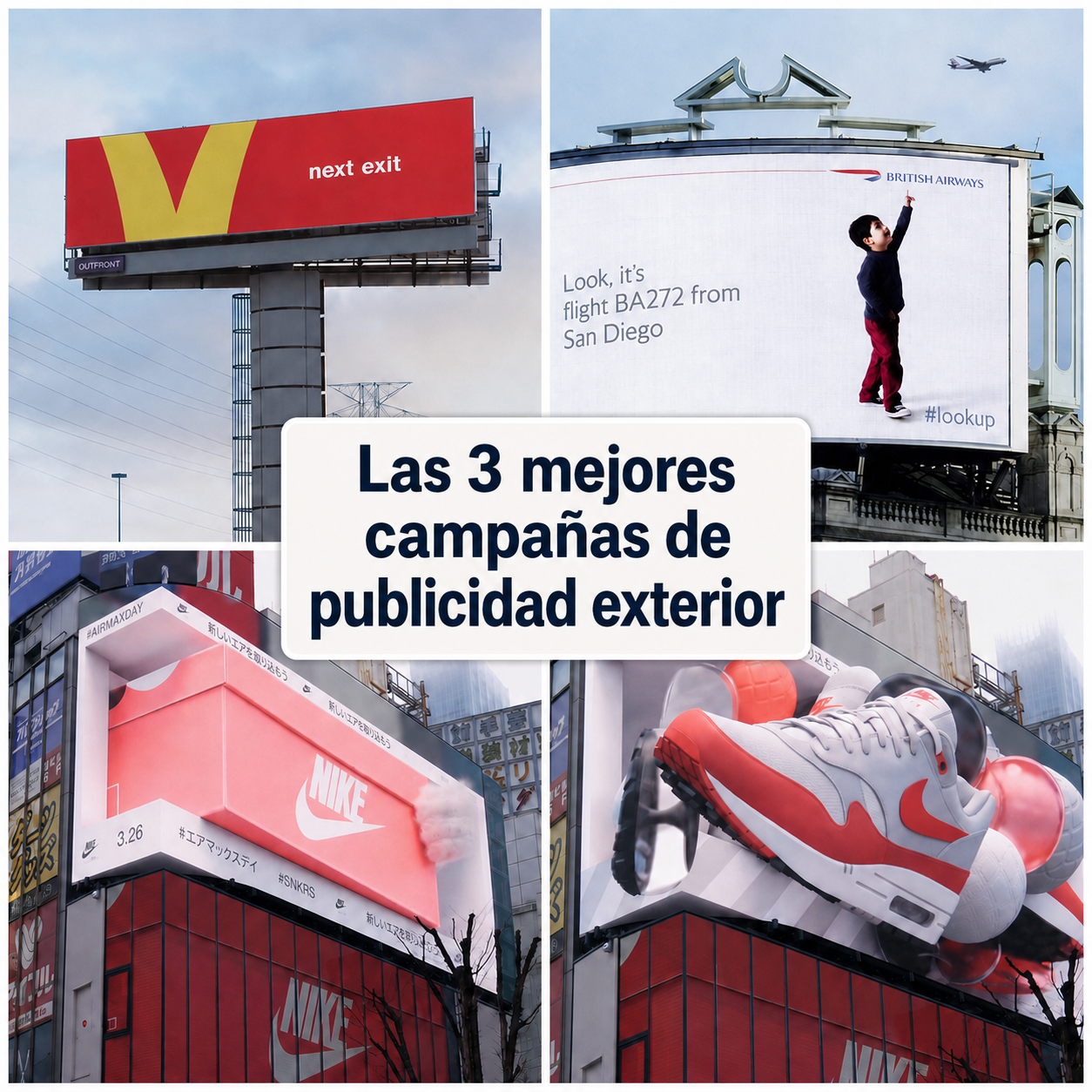
Burger King also purchased billboards next to McDonald's restaurants to publicly advertise their collaboration.
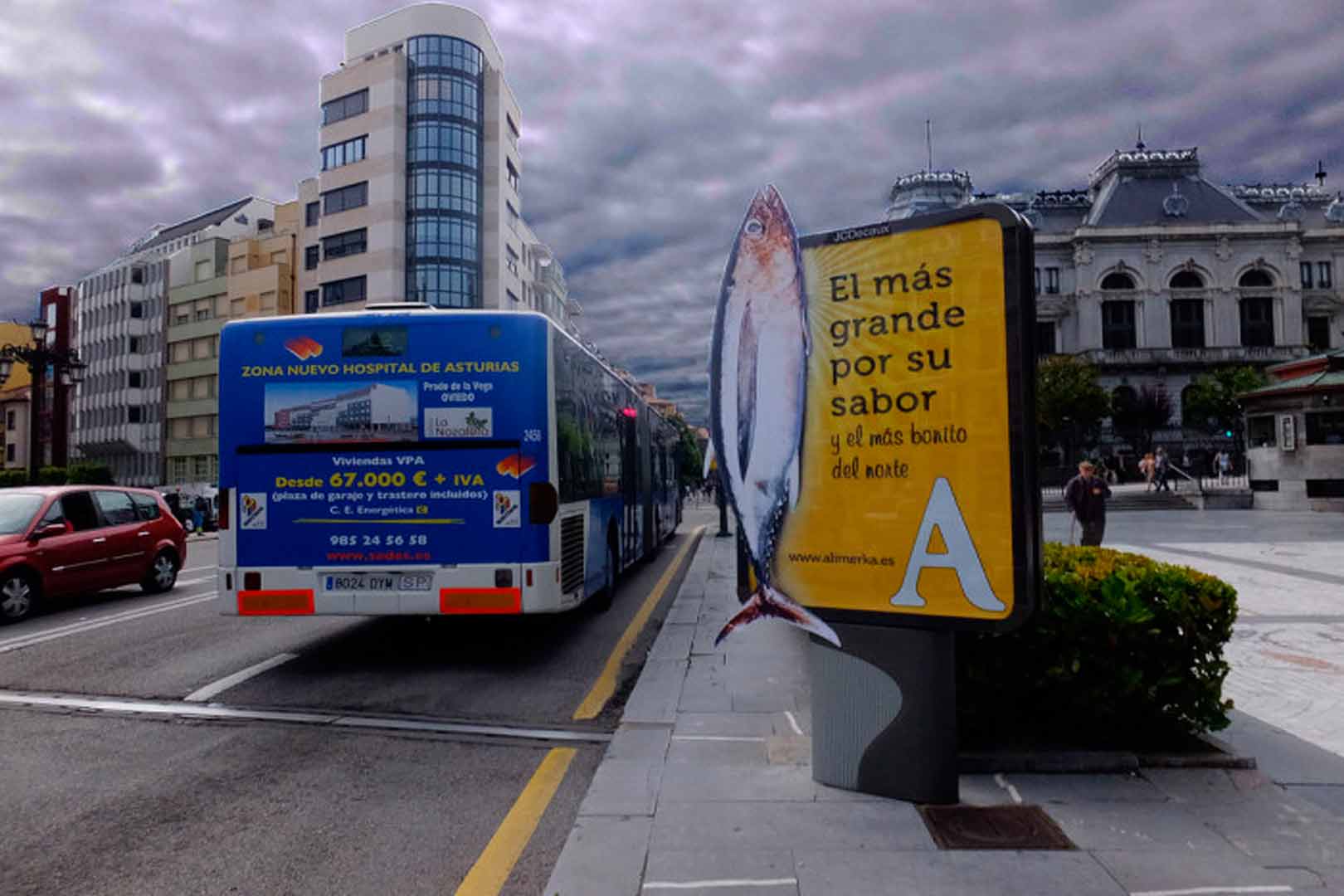
Offline marketing
Offline marketing
Offline marketing key to advertising
The digital world dominates many business strategies, but offline marketing remains effective in various sectors.
Physical campaigns continue to offer advantages that digital marketing cannot match. Among the main benefits, we can highlight the possibility of reaching customers without access to or interest in digital platforms. In addition, tangible advertising generates trust, while the message remains in the environment.
Companies and businesses use advertising strategies to raise awareness of their products or brands. Printed materials such as brochures, posters, and catalogs allow for more personal and memorable communication with the public.
An excellent complement to digital actions, as they reinforce brand recognition in different areas of the city.
When we talk about "Offline,"we are referring to traditional marketing as we have always known it.
Direct mail is one of the most widely used techniques in offline marketing.
It consists of distributing advertising material directly to homes and offices. Its success lies in the personalization of the message and geographic segmentation, which are factors that make it an ideal tool for promoting local businesses, events, and special offers.
For this to work as it should, good planning is essential, as is ensuring that these brochures reach the right hands, thereby avoiding waste and maximizing return on investment.
In addition, the quality of the design and content play a fundamental role, as a clear and attractive message increases the likelihood of conversion.
The diversity of the audience allows, on the one hand, to adapt the content according to the interests and needs of each area and, on the other hand, it is possible that the same audience feels a much closer presence and reacts faster to the action you request.
For example, when we use banners, we are engaging in offline marketing, resulting in tangible examples of functionality.
Posters and printed materials
For years, it has been observed that print media continues to be one of the most attractive forms of media. A clear example of this is our magazine, which continues to be followed and loved by various individuals and businesses seeking to raise the profile of their business, product, or company.
When we refer to traditional marketing, we tend to think of it as something obsolete that is of little use to us.
Although online or digital marketing has gained momentum in recent years with the constant advancement of technology and communication, this does not mean that offline marketing has become obsolete. We can see this in the case of the bimonthly print magazine.
Offline marketing
https://blog.comparasoftware.com/
https://anunciart.com/roger-federer-se-encuentra-por-medio-de-publicidad-exterior/